
The “Quasi-Comprehensive” Guide to Camping with the littles between 5 weeks and two years old…
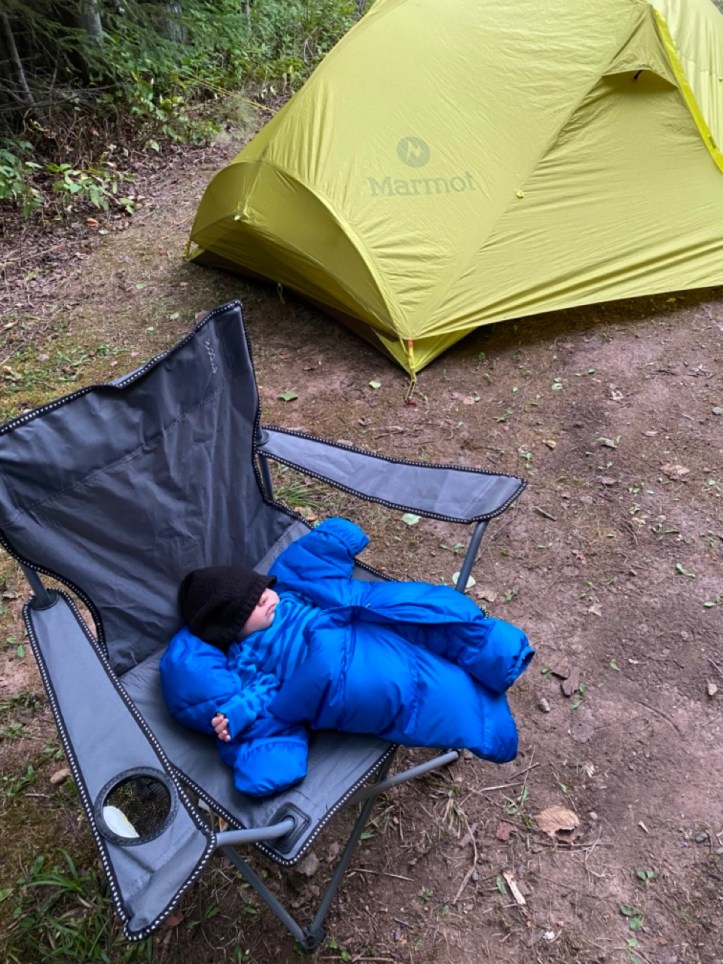
How to Prepare for Camping with a Toddler: The Quasi-Comprehensive Guide
Camping with a toddler is all about balancing adventure with comfort and safety. With thoughtful planning, the experience can be just as magical for parents as it is for little ones. Here’s how you can be fully prepared for an enjoyable trip.
1. Choosing the Perfect Campsite
- Research Family-Friendly Sites: Look for sites with amenities like playgrounds, bathrooms, and flat, grassy areas for toddler play. Consider campgrounds that offer ranger-led activities or nature programs designed for kids. Here are some helpful websites for starting your search:
- https://thedyrt.com/
- https://www.campgroundviews.com/
- https://koa.com/
- https://www.hipcamp.com/en-US
- Note we used Hipcamp in Puerto Rico, and it was awesome for finding really out of the way and unique locations.
- Check for Proximity to Home: For your first few trips, choose campsites that are close enough to home for an easy retreat if things go awry. We’d recommend finding something between one-hour and two-hour’s drive from your house in the event you need to bug out and get back home. That way you can get back in a reasonable amount of time without killing yourself on the drive home.
- Water and Fire Safety: If your campsite has access to a lake or river, ensure there’s a safe, shallow area for your toddler to splash around. And once they start walking, it’s time to be mindful of the firepit! Like a moth to the flame, toddlers beehive straight to the firepit (even when there’s no fire going because they love to play with the cold ashes) so once they are walking (not so much crawling) you really need to keep a close watch on them. I know for us; this was the most challenging part of camping with Frances. The constant monitoring and keeping her safe from herself was pretty exhausting. We pushed through it, and ultimately, she got to a point (right around 2 years old) where she understood the dangers of the firepit. And while she would still push the boundaries and limits, she was also much more aware of the potential risks of playing around the firepit.
- Checklist:
- ☐ Find a location within one to two hours from your home.
- ☐ Nearby restrooms and water access
- ☐ Flat, grassy site for easy walking (especially when they’re first starting out walking)
2. Essential Gear for Comfort and Safety
- Tent: A family-sized tent with plenty of space is key. There are plenty of campers who choose to opt for a tent with extra rooms or dividers to separate sleep from play areas, but that’s not really our style. We picked up the Big Agnes HV UL 4. We’ve found this to be the best UL tent for our family. It comfortably fits the three of us plus the dog. The HV (High Volume) give plenty of headroom for sitting up (or if you’re a toddler – running around), and the UL makes it versatile enough to through in your backpack and hike into your campsites. We absolutely love this tent and have dragged it all over the states on camping trips. Highly durable, ultra-light, easy to setup (one person can easily setup this tent), and tons of room.
- Sleep Setup: Portable toddler beds, sleeping bags, or sleep sacks will never match your child’s sleep routine at home, but it can certainly increase the overall quality of sleep for everyone in the tent.
- Breastfeeding Mothers – no man should ever assume that they can relate with a breastfeeding mother and their baby. All I can offer here are what my observations have shown me – bring blow up pillows. Whether they’re used for propping up the baby and stabilizing them for easier access, or just for overall general comfort, having a few blow-up pillows can make a big difference. And they pack down to an incredibly small size.
- Hikenture Camping Pillow with Removable Cover
- Blankets and Quilts: There are different blankets and quilts you can bring for the varying seasons and weather conditions. Be sure to review the weather updates for where you’re heading so that you can pack accordingly. We tend to bring our ultralight quilts with us because they’re easy to pack and provide a lot of warmth in colder climates. There are times where we’ve just used sheets, and then there are times where we’ve doubled up on the quilts. Whatever works for you to keep everyone at a comfortable temperature is what you should bring. The biggest thing is looking through the weather websites to get a 10 day view of the weather for that area, and that’ll help you prepare for what’s needed.
- Checklist:
- ☐ Spacious family tent
- ☐ Creature comforts (E.g., blow-up pillows)
- ☐ Check and re-check the weather conditions
3. Clothing for All Weather Conditions
- Weather Versatility: Even in summer, nighttime temperatures can dip. Layering is key—pack breathable clothes for hot days and warm, cozy layers for chilly nights.
- Rain Gear: Pack toddler-sized rain boots, a waterproof jacket, and extra socks.
- Footwear: Closed-toe shoes or sandals with straps are best for outdoor adventures. Avoid flip-flops, which can trip up toddlers on rough terrain.
- Checklist:
- ☐ Lightweight day clothes (moisture-wicking)
- ☐ Warm night clothes (fleece or wool)
- ☐ Waterproof rain jacket and boots
- ☐ Closed-toe shoes
4. Meal Planning Made Easy
- Toddler-Friendly Meal Ideas: Camping doesn’t have to mean eating poorly. Bring easy-prep food like cereal, fruit, pre-made sandwiches, and pasta. Consider foods that can be prepped in advance and simply heated over the campfire or by just adding some boiled water from your JetBoil.
- Camping Stove or Grill: If cooking over a fire feels too complex, bring a small, portable stove. Make sure to pack lightweight, non-breakable utensils. You can bring non-breakable plates as well, but we find most of the time we’re just eating out of Ziplock bags or the bags the food was cooked in to keep down on the water waste / cleaning, et cetera.
- Some great ultralight backpacking stoves are:
- Hydration: Toddlers need more water than adults due to their higher surface area-to-body weight ratio. Bring refillable sippy cups or toddler-sized water bottles.
- Checklist:
- ☐ Pre-packed meals and snacks
- ☐ Portable stove and lightweight utensils
- ☐ Plenty of drinking water or milk
5. Ensuring Sleep and Naps Go Smoothly
- Create a Sleep Routine: Stick to your toddler’s home sleep routine as closely as possible. Bring a favorite blanket, pillow, or stuffed toy to provide comfort. If your toddler uses white noise nature should provide an acceptable backdrop, but if not, having a downloaded app to play soothing sounds can really come in handy.
- Darkness: A good night’s sleep might depend on blocking out light—bring sleep masks or hang a dark sheet inside the tent for napping.
- Plan for Early Wake-Ups: Toddlers often wake with the sun when camping. Have quiet activities like books ready to occupy them in the early morning.
- Checklist:
- ☐ Favorite blanket, pillow, or stuffed animal
- ☐ Downloaded nature sound app for white noise
- ☐ Sleep mask or dark sheet for light-blocking
6. Toddler Safety
- Toddler-Proof the Campsite: Set clear boundaries at your campsite. Use brightly colored ropes to mark safe areas and bring baby gates if necessary. Might seem like a bit overkill, but unless you’ve got eyes on glass the entire time things can turn south pretty quickly. A toddler doesn’t know limits or boundaries, and let’s face it – they’re fast. One second they’re playing all nice a quiet, and the next minute they’re chasing a chipmunk into the woods.
- Keep Them Close: Use a playpen if your child is prone to wandering. A playpen provides a safe space for them to play without constant supervision. There are also several child tent options that come in handy as well to let them rest without getting bit up from the bugs, et cetera.
- First Aid Kit: Include essentials like band-aids, antiseptic wipes, anti-itch cream, toddler-specific pain relievers, and a thermometer. Don’t forget any medications your toddler takes regularly. We always have a first aid kit handy, and if there’s any interest, we can post what we keep in ours.
- Checklist:
- ☐ Toddler playpen
- ☐ First aid kit with toddler-specific items
- ☐ Baby gates or campsite boundary markers
7. Entertainment and Activities
- Simple, Nature-Based Activities: Toddlers are naturally curious, so bring tools to explore nature. A magnifying glass, bucket for collecting rocks, or a nature scavenger hunt can keep them entertained.
- Water Play: If near a body of water, bring a swimsuit and water-safe toys. Make sure the water is shallow and always supervise closely.
- Camping Toys: Pack lightweight and simple toys, like stacking cups, beach balls, or bubbles.
- Checklist:
- ☐ Toys for outdoor play (bucket, bubbles, balls)
- ☐ Nature activity kit (magnifying glass, scavenger hunt list)
- ☐ Water-safe toys and swimsuits
8. Emergency Plans
- Know Your Route: In case of emergency, know the nearest hospital or urgent care facility. Bring a portable charger or backup battery for your phone.
- Emergency Contacts: Write down emergency contacts and leave a trip itinerary with someone at home.
- Checklist:
- ☐ Emergency contacts and nearest hospital info
- ☐ Portable charger or battery pack
- ☐ Written itinerary left with a friend/family member
9. Expect the Unexpected
- Plan for Meltdowns: Toddlers can become overstimulated by new environments. Have snacks, a favorite toy, or an easy, quiet activity on hand for moments when your toddler needs a break.
- Flexible Schedule: Don’t over plan. Keep your schedule flexible and allow for plenty of breaks, naps, and snack times. This is especially true during the actual travel portion of the trip. If you’re used to driving straight through to get to your destination with a few stops as possible to make good time – forget about it – you’re going to be stopping a lot more than you’d like. You’re going to need to plan your stops (and let’s face it, you won’t be able to plan for all of them). Remain flexible, and just know that you’re going to need extra time. Everything with toddlers takes more time, period.
- Diapers: No matter how much you plan. How well you think you have a handle on your toddler’s potty schedule – you don’t. Stop kidding yourself. One of life’s biggest mysteries is “when” will potty time strike! Be prepared. Bring diapers – lots and lots of diapers!
- And simply put, by proxy of needing diapers, you’re going to need wipes, hand sanitizer and bags to pack those stinkers out with you. I like bringing a roll of doggy poop bags. They’re compact and portable and get the job done.
- Checklist:
- ☐ Backup snacks for meltdowns
- ☐ Familiar toy or activity for quiet time
- ☐ Flexible schedule to allow for downtime
- ☐ Diapers, wipes, sanitizer and bags
Final Thoughts
Camping with a toddler is all about preparation (within reason) and flexibility (knowing you’re going to have surprises pop up along the way). By packing smart, anticipating your toddler’s needs, and maintaining a relaxed attitude, you’ll create the foundation for a fun and (less) stress-free family adventure.
Happy camping!
 Cairns and Cócteles (and Frances)